
The Silent Elegance of Trust and Efficiency in Public Space
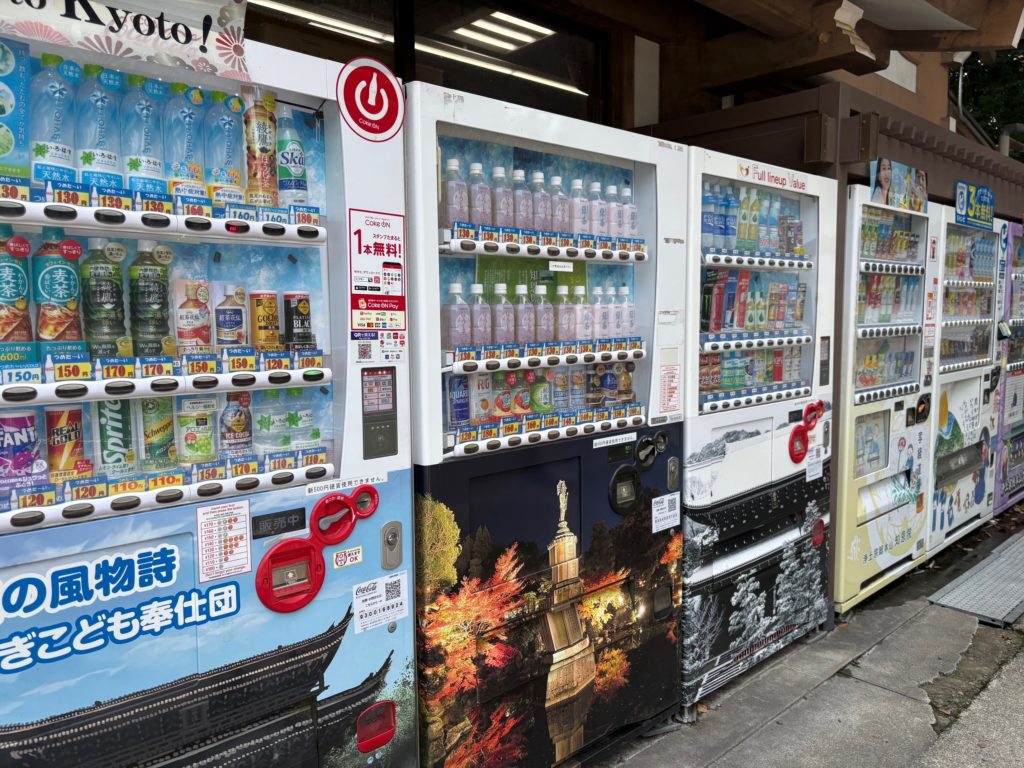
In Japan, vending machines are more than just convenient dispensers of drinks and snacks.
They are quiet reflections of societal values, spatial aesthetics, and a unique relationship between people and public infrastructure.
Their ubiquity is not accidental—it’s the result of a delicate interplay between safety, cultural preferences, land use, and technological finesse.
1. A Culture of Trust: The Unspoken Contract of the Unmanned
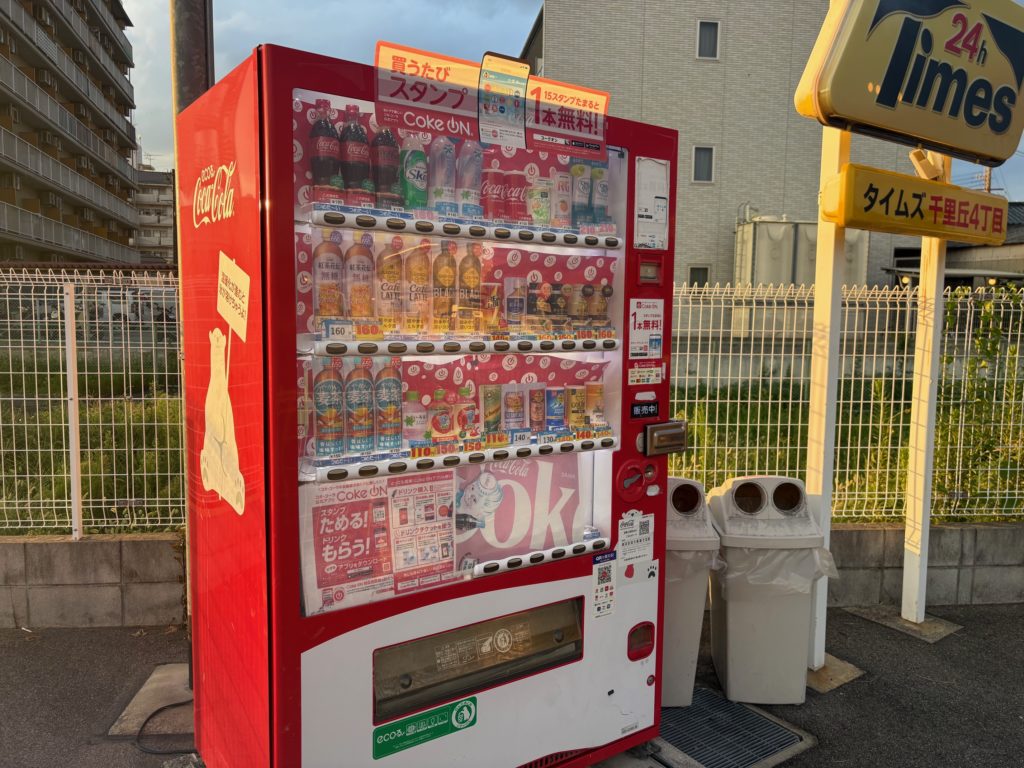
Unlike many countries where vending machines are confined to indoor spaces due to theft or vandalism, Japan’s machines stand confidently on quiet streets, rural corners, and urban alleys.
Why?
Because the assumption here is simple: they won’t be harmed.
This “trust by default” is a rare societal trait—one that allows unmanned commerce to flourish. In this sense, vending machines are not just machines; they are monuments to mutual respect.
2. Convenience Without Confrontation
Japanese consumers value the ability to purchase items anytime, without the need for interaction or explanation.
Whether it’s 3 a.m. or a rainy afternoon, vending machines offer a frictionless experience—no small talk, no waiting, no judgment.
This aligns with a cultural preference for quiet efficiency and personal space. In fact, the very absence of human presence can feel like a form of hospitality in itself.
3. Micro-Economies in Micro-Spaces
In a country where land is precious, vending machines offer a clever way to monetize even the smallest sliver of space.
Landowners can earn passive income by hosting machines, often through two models:
- Full Operation: The vending company handles everything—stocking, maintenance, and sales. The landowner receives a commission (typically 20–30%).
- Semi Operation: The landowner manages inventory and keeps a larger share of the profits.
Most opt for the hands-off model, turning overlooked corners into quiet revenue streams. It’s urban optimization at its finest.
4. Cash Culture Meets Cutting-Edge Tech
Despite Japan’s growing embrace of cashless payments, physical currency remains deeply embedded in daily life.
Vending machines accommodate this with seamless coin and bill acceptance, while also evolving to include multilingual interfaces, hot/cold beverage options, and even emergency relief functions during disasters.
These machines are not just reactive—they’re anticipatory. Designed with care, they embody a kind of mechanical empathy.
5. Density Breeds Viability
Japan’s high population density makes vending machines economically viable.
More people per square kilometer means more potential customers per machine. In this way, the machines are not just tolerated—they’re optimized.
They blend into the urban rhythm, offering utility without intrusion.
A Global Comparison: Japan’s Quiet Supremacy
While the United States may lead in total vending machine numbers, most are found indoors—offices, schools, and malls. Japan, by contrast, integrates vending machines into the public landscape.
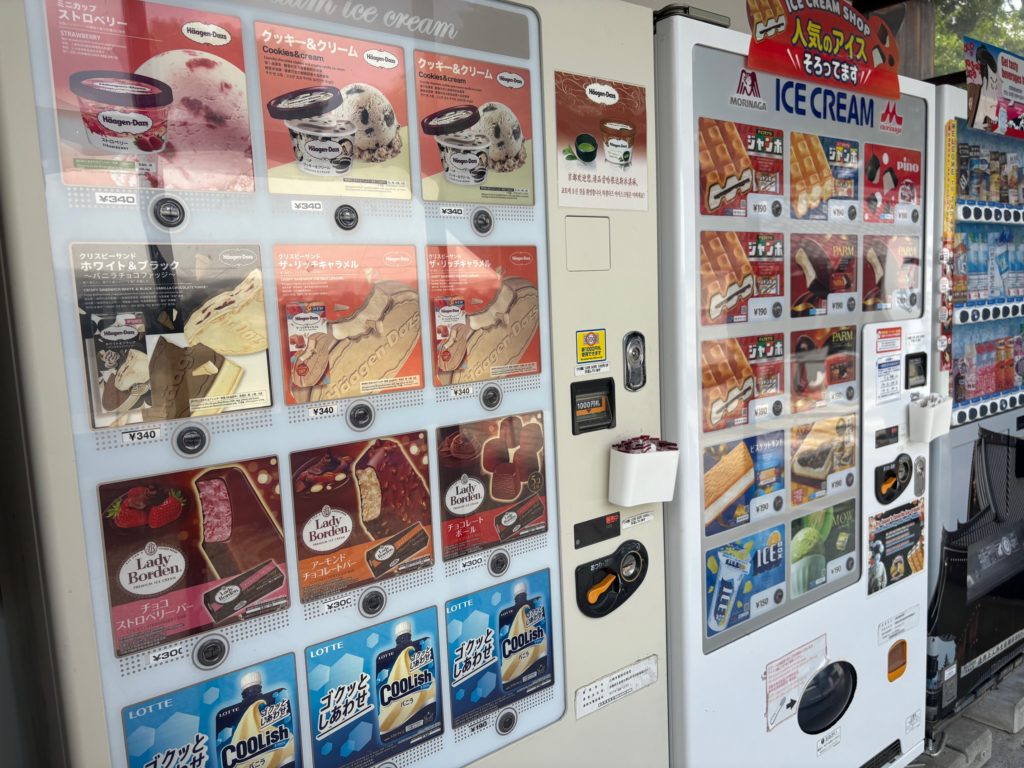
In Europe and Asia, vending machines exist, but rarely with the same density, diversity, or cultural acceptance. Japan’s machines sell not only drinks, but frozen food, fresh produce, and even temple charms.
They are part of the scenery—unremarkable in their presence, yet remarkable in what they represent.
Trends and Transitions
- Peak (2000): ~5.6 million machines
- Current: Declining due to convenience store expansion, digital payments, and demographic shifts
- Drink Machines: Still dominate, with over 2.2 million units
Final Thought: Machines That Whisper Culture
Japan’s vending machines are not loud.
They don’t shout for attention. But in their quiet presence, they speak volumes—about trust, efficiency, spatial grace, and the subtle choreography of daily life. They are machines, yes. But they are also mirrors. And if you look closely, you’ll see a reflection of Japan itself.