
| 【PR】 Making a trip to Japan? Don’t risk a cultural mistake! Your comprehensive guide to Japanese etiquette and greetings is essential for every traveler. [Get the Kindle Edition Now on Amazon] |
Whether used as a dipping sauce for sukiyaki or eaten with rice as Tamago Kake Gohan (TKG), raw eggs are consumed in many dishes in Japan.
However, eating raw eggs is uncommon overseas; instead, there is a tendency to avoid them.
From a Japanese perspective, many people might wonder, “Why not? They are so delicious!”
Conversely, people from overseas seem to question why raw eggs can be eaten in Japan.
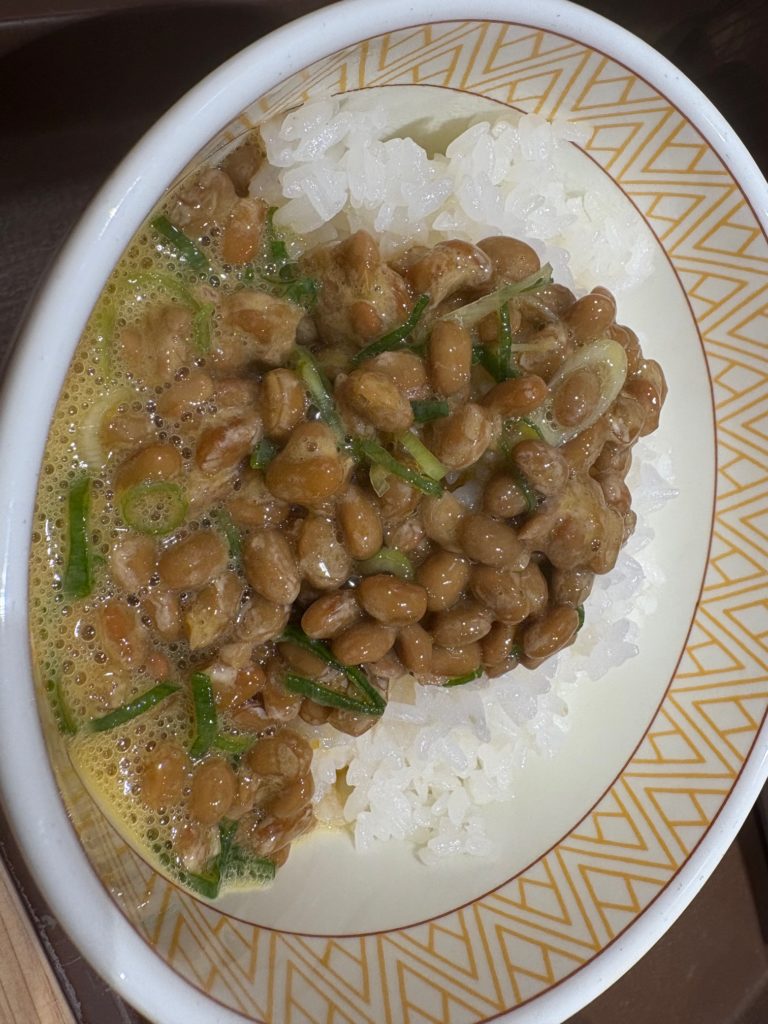
The Main Reason is Salmonella Food Poisoning
—Why are raw eggs not eaten overseas?
The reality is that many places overseas prohibit the consumption of raw eggs by law or state law (ordinance) due to the risk of food poisoning caused by Salmonella.
The United States Department of Agriculture (USDA) states: “Eggs may contain Salmonella enteritidis (SE), which can cause food poisoning.
For food safety, eggs must be handled hygienically, refrigerated promptly, and cooked thoroughly.” Therefore, it is generally taboo to eat eggs raw overseas.
In the US, Salmonella food poisoning caused by eggs occurred in seven states in June 2025, infecting 79 people, hospitalizing 21, and resulting in the recall and disposal of approximately 19.2 million eggs nationwide.
—Why can Japanese eggs be eaten raw?
Until around 1990 in Japan, 1–3% of all Salmonella food poisoning incidents were attributable to eggs.
However, following guidance from the government, not only poultry producers but all related businesses worked to become Salmonella-free.
As a result, since 2000, the Salmonella contamination rate in domestic eggs has dropped to an extremely low level of about 0.003% (3 out of 100,000 eggs).
If eggs contaminated with Salmonella are stored at high temperatures, the bacteria multiply rapidly, increasing the risk of food poisoning.
Conversely, even if an egg is contaminated with Salmonella, if the storage temperature is low, the bacteria multiply very little, and the risk of food poisoning is minimal.
—So, temperature is the key.
Measures against Salmonella require the thorough enforcement of consistent temperature management throughout the entire process: not just the production stage, but also during distribution, retail, and home storage.
Therefore, strict temperature control is implemented during the distribution and sales stages.
Furthermore, the label on egg packs always includes the storage instruction: “After purchase, please store in the refrigerator (10°C or below).”
This is a safety measure taken even in the event of an unforeseen situation.
As a result of the entire poultry industry—including laying farms, breeding farms, hatcheries, feed mills, GP centers (grading and packaging), delivery companies, and retailers—working together on Salmonella measures, the occurrence of food poisoning from eggs has been significantly
reduced (nearly zero).
—That’s why we can enjoy Tamago Kake Gohan safely and deliciously.
TKG (Tamago Kake Gohan), where a raw egg is mixed into freshly cooked rice, has now become widely established as a Japanese food culture. Recently, TKG has also become popular among foreign travelers (inbound tourists).
TKG specialty restaurants have already opened in places like Hong Kong.
TKG is now becoming a universally understood term, not just an English one.
The Culture of Raw Egg Dishes Uniquely Developed in Japan
The Japanese culture of eating raw eggs is mainly characterized by the high level of safety that allows raw eggs to be consumed as they are, and the dishes that capitalize on this safety, such as Tamago Kake Gohan and Sukiyaki.
This culture has been achieved through strict hygiene management and has developed uniquely in Japan where the custom of eating raw eggs is uncommon overseas.
🥚 Why Raw Eggs are Safe
- Strict Hygiene Management: In Japan, rigorous hygiene control is implemented at every stage, from production to distribution, to reduce the risk of Salmonella.
- Cage Rearing: Cage rearing, an efficient method, is common, which reduces the risk of chickens being exposed to pathogens by pecking the ground.
- Washing and Sterilization: At poultry farms and GP centers, the egg surface is not only washed, but also undergoes UV sterilization, inspection by specialized machines, and confirmation by human eyes.
- Protecting the Eggshell: The shell has a natural coating film to prevent bacteria from entering, and washing methods are devised to avoid damaging this film as much as possible.
🍽️ Main Dishes Eaten with Raw Eggs
- Tamago Kake Gohan (TKG): A simple, representative Japanese dish where a raw egg is cracked into freshly cooked rice and mixed with soy sauce or other seasonings. It is said that the intellectual Ginkō Kishida popularized its prototype during the Meiji period.
- Sukiyaki: A unique Japanese cooking method where ingredients are simmered in a sweet and savory sauce, then dipped into a raw, beaten egg before eating.
- Tsukimi Udon: Udon served in a bowl of broth or dashi with a raw egg cracked into it, offering a mellow flavor.
📜 Historical Background
| Period | Status of Eggs |
| Before Edo Period | Eggs were treated as “medicine” and were expensive for commoners. |
| Edo Period | Poultry farming spread, and records of egg dishes remained, but they were not yet widespread. |
| Meiji Period | Eggs were recommended by intellectuals as a “highly nutritious food,” and the culture of eating raw eggs began to spread. |
| Post-War Period | The supply of eggs stabilized, and raw egg dishes like Tamago Kake Gohan became widely popular. |
| 【PR】 Your trip planning is almost complete! Complete your preparation by securing the one guide that guarantees confident interactions and a truly respectful experience in Japan. [Download the Essential Etiquette Guide] |