
| 【PR】 Making a trip to Japan? Want to avoid common cultural mistakes? Your comprehensive guide to Japanese etiquette and greetings is essential for every traveler. [Get the Kindle Edition Now on Amazon] |
Compassion in Silence — The Culture of Consideration in Japanese Public Manners
A Quiet Ride, A Gentle Heart
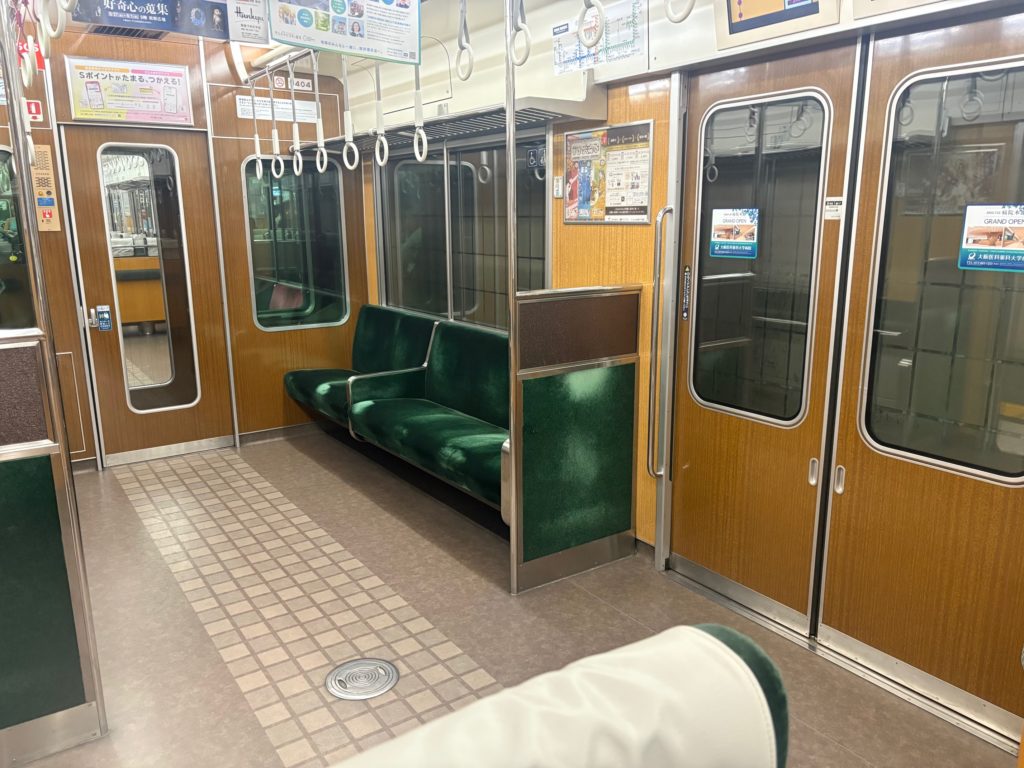
Step into a Japanese train, and you’ll notice something striking: silence. Not absolute silence—friends chat softly, families exchange words—but there’s a subtle restraint. Voices are hushed, gestures are modest, and an invisible thread of consideration runs through the space.
In Japan, being quiet in public is seen as a virtue. On trains, phone calls are avoided, conversations are kept low, backpacks are worn on the front, and bags are not placed on seats. These behaviors aren’t just rules—they’re expressions of respect for others’ space and time.
The same applies to elevators. While brief exchanges may occur, silence is the norm. People press buttons for one another, hold doors open, and show kindness through quiet actions rather than words.
These manners are not enforced—they’re embedded in a culture of empathy. In Japan’s public spaces, kindness lives in silence.
Gentle Acts in Quiet Spaces
One day on a train, a mother sat beside her toddler, who seemed to have a cold. The child sneezed and sniffled while the mother rummaged through her bag, clearly flustered.
A young woman standing nearby quietly handed her a packet of tissues. Her voice was soft, her movement discreet. Yet in that moment, the atmosphere in the train seemed to warm.
No one raised their voice. No one sought attention. But when help was needed, it was offered gently. This is the kind of compassion that breathes through Japan’s public spaces.
The Courtesy of Not Eating
Eating on Japanese trains is rare. People may sip water from a bottle, but even when hungry, they usually refrain from eating.
This isn’t just about rules—it’s about sensitivity. There’s a quiet modesty in not opening one’s mouth to eat in front of others, and a consideration for those who may be sensitive to smells.
In public spaces, the core of Japanese manners is not disturbing others’ comfort. Even when hungry, one might choose not to eat, thinking someone nearby could be bothered. This silent empathy shapes behavior.
Such actions aren’t dictated by regulations—they stem from a cultural sensibility. A natural instinct to avoid causing discomfort, to preserve the atmosphere, and to honor the shared space.
Spirituality in Everyday Life
Japan’s beauty isn’t confined to temples or tourist spots. It lives in the everyday—in the quiet gestures, the subtle awareness, the shared silence. Public manners are the most accessible doorway to this deeper spirit. In silence, you can hear the heartbeat of Japanese culture.
The Unspoken Elegance of Manners
Japanese public manners carry a beauty that doesn’t rely on words. “To understand without speaking,” “to sense,” “to read the air”— These concepts may sometimes lead to misunderstandings, but they are rooted in trust and shared empathy.
Visitors often marvel at how people follow rules without being told. It’s not surveillance—it’s inner aesthetics. A quiet discipline guided by a collective sense of grace.
Changing Landscapes
In recent years, I’ve begun to feel that the public manners once cherished by Japanese society are gradually fading with the times. We see more people absorbed in their smartphones, less aware of those around them. Littering, noise in public spaces, and even women applying makeup on trains or buses— these are subtle signs that the “aesthetics of silence” may be slipping from view.
This is my personal observation. And perhaps it’s precisely because this culture of quiet consideration is becoming harder to see that we must now take a moment to reexamine its value.
In Closing: Manners as a Gift to the Future
Public manners are not something to be enforced. They are small, voluntary choices we each make to help shape a more beautiful society. They are also gifts we pass on to the children of tomorrow.
Kindness that lives in silence. Compassion that goes unseen. Let’s rediscover these qualities in our everyday lives.
So lift your eyes from your screen, look around, and discover a new world waiting quietly beside you.
You Might Also Like
・Japanese Train Etiquette: A Guide to Priority Seats
| Many people tell me that they only start feeling confused after leaving Japan. If you’re still thinking about something that didn’t quite make sense, I sometimes talk with people privately to help interpret those experiences from a cultural point of view. |