
You’ve probably seen them everywhere in Japan, hanging over the entrances of shops and restaurants. These fabric curtains, known as noren (暖簾), are much more than a simple decoration. While they were originally used to protect from wind, sun, and prying eyes, they have evolved to play a crucial role in Japanese culture, acting as both a sign and a symbol of a business’s identity and credibility.
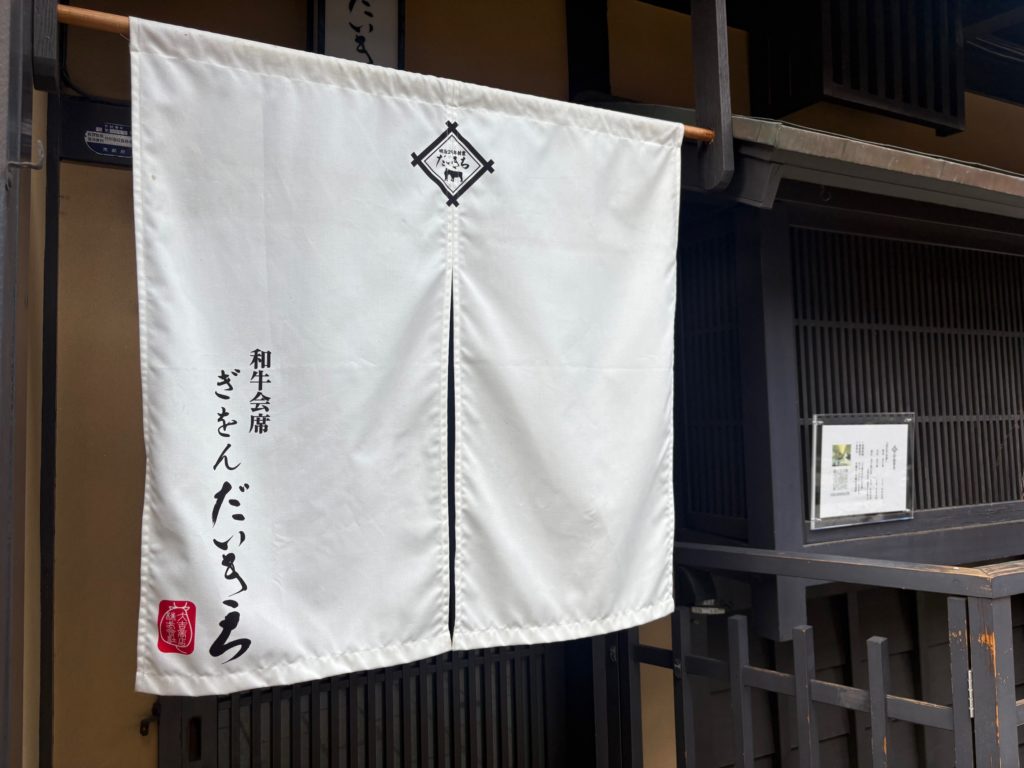
The Many Roles of a Noren
Noren come in various shapes and sizes, from full-length drapes to half-length and short, wide ones. But regardless of their form, they serve several important functions:
- Showing Business Hours: A noren is the simplest way to know if a shop is open. If the curtain is hanging, the shop is open for business. If it’s taken down, it’s a sign that the shop is closed or preparing to open.
- Advertising & Branding: Acting as the “face” of a shop, a noren’s design, color, and font convey the establishment’s style and concept, attracting customers and setting it apart from competitors.
- Practicality: They still serve their original purposes: providing shade, blocking wind, and offering a sense of privacy.
- Dividing Space: A noren can be used as a simple, non-obtrusive partition to separate different areas within a store, such as the customer seating area from the kitchen or backroom.
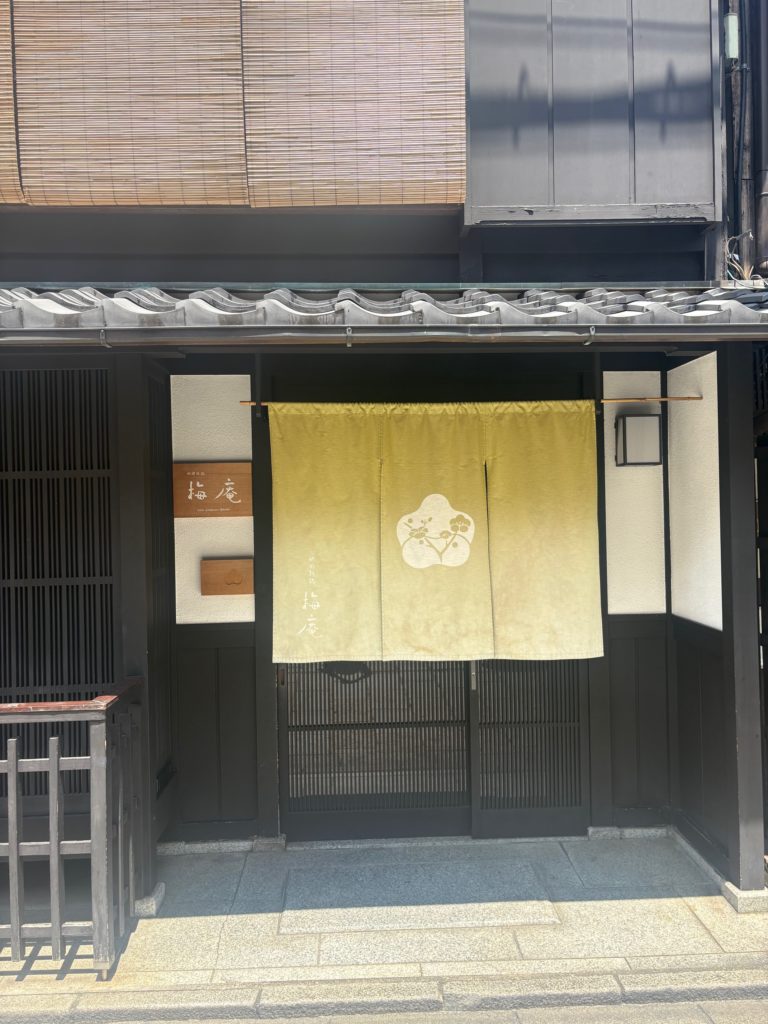
The Deeper Meaning of a Restaurant’s Noren
For restaurants, a noren holds an even deeper significance beyond simply being a sign. It is a powerful symbol of the establishment’s reputation and history.
1. A Symbol of Credibility and History
The Japanese phrase, “noren ni kizu o tsukeru” (暖簾に傷をつける), literally means “to put a scratch on the noren.” This idiom is used to describe an action that harms a business’s reputation. For a successor, such as a second or third-generation owner, the noren represents the weight of their ancestors’ hard work and trustworthiness. They strive to uphold that legacy and protect the noren’s honor.
2. A Mark of Respect: The “Norenwake” (暖簾分け) System
When a long-serving employee leaves to open their own shop, they may be granted a “norenwake,” which means they are given permission to use the same shop name or noren design as the original establishment. This is a tremendous honor and a sign of respect from their master. The new owner then carries on the legacy, constantly working to live up to the original noren’s reputation.
The noren is far more than a decorative cloth. It’s a key part of Japanese business culture, symbolizing a commitment to quality, tradition, and honor.