
Planning a trip to Japan? You’re in for a treat! Japan offers a rich tapestry of culture, delicious food, and stunning landscapes. But here’s something you might not know: Japan also boasts one of the highest numbers of national holidays in the world – a whopping 16 days each year!
Yes, you read that right. While many countries have around 8-12 public holidays, Japan stands out with its generous calendar of days off. This isn’t just a fun fact; it’s something that can significantly impact your travel plans and offer unique cultural insights!
Why So Many Holidays? A Glimpse into Japanese Values
Japan’s abundance of public holidays stems from a deep respect for various aspects of life and culture:
- Valuing Life Stages: From celebrating the start of a new year (New Year’s Day) and adulthood (Coming of Age Day) to honoring children (Children’s Day) and respecting elders (Respect for the Aged Day).
- Appreciating Nature: Days like Marine Day (for the ocean’s blessings), Mountain Day (for the mountains’ grace), and Greenery Day (for nature’s beauty) highlight Japan’s close relationship with its natural environment.
- Honoring History and Culture: Holidays like National Foundation Day, Culture Day, and Constitution Memorial Day commemorate significant historical milestones and cultural values.
- Promoting Well-being: Health and Sports Day encourages physical activity, while Labour Thanksgiving Day celebrates hard work and production.
A Quick Look at Japan’s 16 National Holidays:
Here’s the full list. Some fall on fixed dates, while others are “Happy Monday” holidays, designed to create a three-day weekend!
- January 1: New Year’s Day (元日 – Ganjitsu)
- Second Monday of January: Coming of Age Day (成人の日 – Seijin no Hi)
- February 11: National Foundation Day (建国記念の日 – Kenkoku Kinen no Hi)
- February 23: The Emperor’s Birthday (天皇誕生日 – Tennō Tanjōbi)
- Around March 20: Vernal Equinox Day (春分の日 – Shunbun no Hi)
- April 29: Shōwa Day (昭和の日 – Shōwa no Hi)
- May 3: Constitution Memorial Day (憲法記念日 – Kenpō Kinenbi)
- May 4: Greenery Day (みどりの日 – Midori no Hi)
- May 5: Children’s Day (こどもの日 – Kodomo no Hi)
- Third Monday of July: Marine Day (海の日 – Umi no Hi)
- August 11: Mountain Day (山の日 – Yama no Hi)
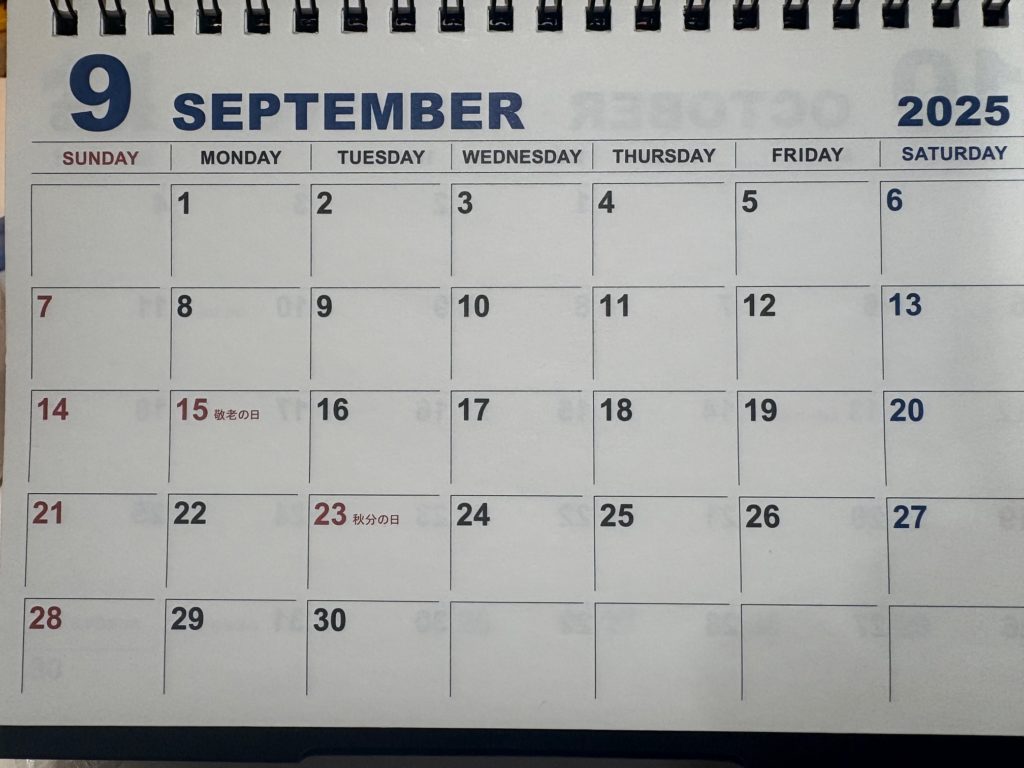
- Third Monday of September: Respect for the Aged Day (敬老の日 – Keirō no Hi)
- Around September 20: Autumnal Equinox Day (秋分の日 – Shūbun no Hi)
- Second Monday of October: Health and Sports Day (スポーツの日 – Supōtsu no Hi)
- November 3: Culture Day (文化の日 – Bunka no Hi)
- November 23: Labour Thanksgiving Day (勤労感謝の日 – Kinrō Kansha no Hi)
What Does This Mean for Your Japan Trip?
Knowing about these holidays is crucial for planning your journey:
Expect Crowds: During national holidays, and especially during long holiday weekends like Year-end and New Year holidays or Golden Week (early May) , popular tourist spots, transportation (trains, highways), and accommodations can get extremely crowded and expensive. Booking well in advance is essential!
Experience Local Culture: These holidays are fantastic opportunities to witness Japanese culture firsthand. Many regions hold special festivals, events, or traditions associated with the specific holiday. You might see families celebrating, locals enjoying nature, or unique ceremonies.
Business Hours: While most major attractions and shops remain open, some smaller, family-run businesses or public services might be closed or have reduced hours.
Japan’s numerous holidays add another fascinating layer to its vibrant culture. They offer a chance to pause, reflect, and appreciate various aspects of life, history, and nature. If your trip coincides with one, embrace the chance to experience a unique slice of Japanese life!
Want to learn more about a specific holiday or how to make the most of your trip during Japan’s holiday seasons? Stay tuned for our upcoming articles where we’ll deep-dive into each special day!
You Might Also Like
・Why Japan Gets a Holiday for Mountains: Discovering “Mountain Day” (Yama no Hi)
・Obon: Understanding Japan’s Summer Holiday & Why It’s So Crowded