
A recent request for a private cultural tour led me to revisit Osaka’s lively Dotonbori area for the first time in a long while.
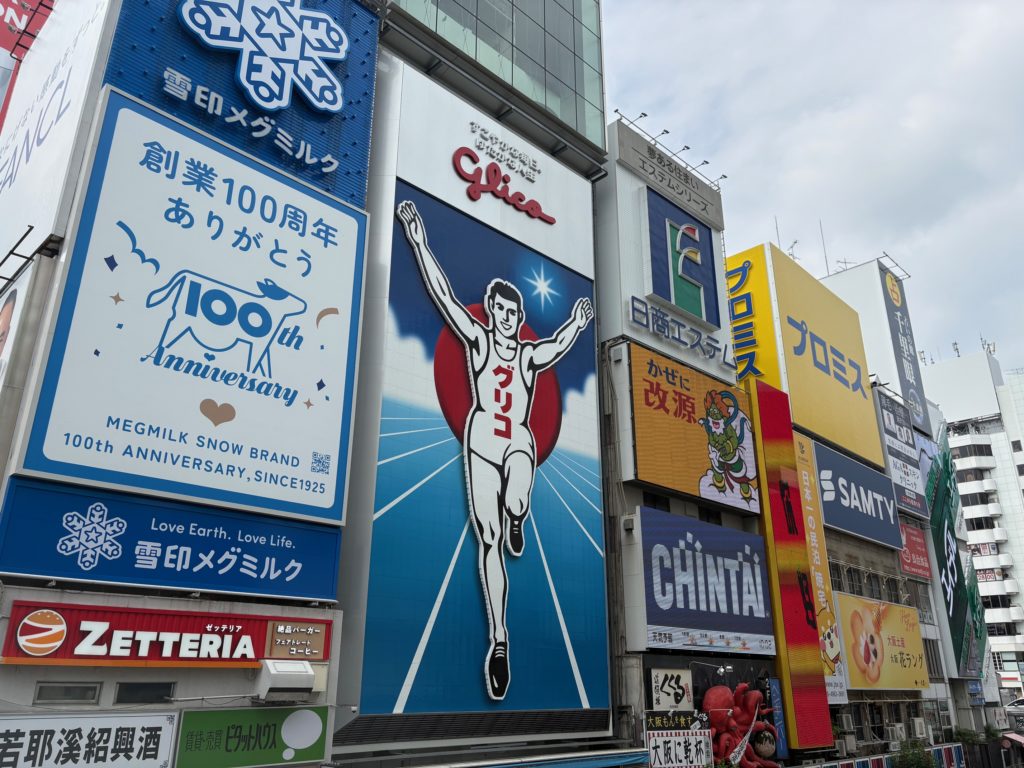
Although I was born and raised in Osaka, I rarely find myself in Minami.
The city is broadly divided into two major districts: Kita, centered around JR Osaka Station, and Minami, which includes Dotonbori, Shinsaibashi, and Namba.
As someone from the Kita side, I seldom have a reason to cross into Minami, and I suspect the reverse is true for many Minami locals.
Each area has its own self-contained rhythm, with daily life, commerce, and culture neatly woven into its respective zone.
This time, however, my tour preparations brought me back to Minami—and to a place that quietly defies the noise and neon of its surroundings: Hozenji Temple.
A Temple of Quiet Devotion
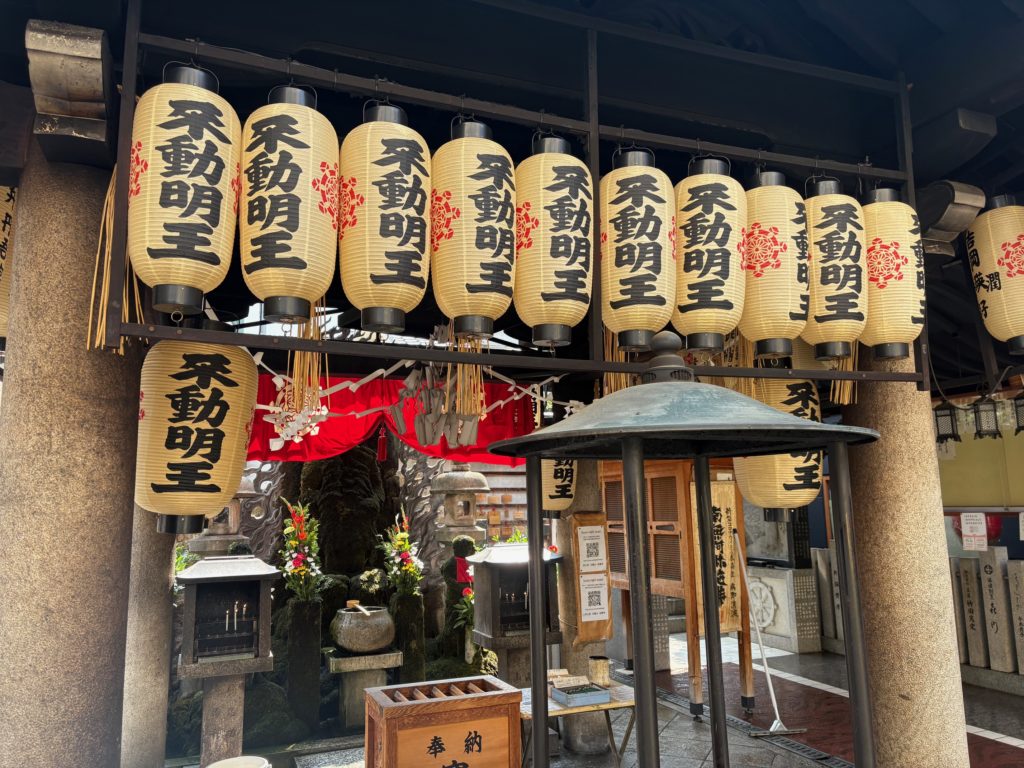
Just a few steps off the bustling streets of Dotonbori lies Hozenji, a small but deeply atmospheric temple belonging to the Jōdo sect of Buddhism.
Its official name is Tenryūzan Hozenji, and it has stood in this location since 1637.
- Location: 1-2-16 Namba, Chuo-ku, Osaka
- Access: 1-minute walk from Namba Station (B16 exit via Namba Walk)
- Hours: Open 24 hours; amulet counter operates 10:00–18:00
The Water-Splashed Fudō Myōō
The temple’s most iconic feature is the moss-covered statue of Fudō Myōō, known locally as the “Mizukake Fudō”—the Water-Splashed Immovable Wisdom King. Visitors gently pour water over the statue as a gesture of prayer and purification.
This practice began after World War II, when a woman seeking divine help started offering water to the statue daily.
Her quiet devotion sparked a tradition that continues to this day.
Blessings associated with the statue include:
- Healing from illness (pour water on the affected area)
- Prosperity in business (especially among those in nightlife industries)
- Love and connection (prayers offered to the flanking child statues)
Other Sacred Spots Within the Temple Grounds
Hozenji is more than just one statue—it’s a compact sanctuary filled with layers of spiritual meaning. Here are a few notable sites:
| Site | Significance |
| Konpira Shrine | Guardian of maritime safety and commerce, reflecting Namba’s historical role as a port town. |
| Niga Byakudō Hall | A symbolic path to the Pure Land, based on the teachings of Master Shandao. |
| Jihi Jizō | A gentle figure representing compassion and healing. |
| Ohatsu Daijin | A deity of romantic fulfillment, enshrined from Okayama’s Saijō Inari. |
Hozenji Yokocho: A Lane of Timeless Charm
Just north of the temple lies Hozenji Yokocho, a narrow stone-paved alley lined with traditional restaurants and bars.
The atmosphere here is unmistakably nostalgic—echoes of the Showa era linger in the lantern light and quiet footfalls.
The area has appeared in novels and films, and remains one of Osaka’s most evocative cultural pockets.
Nearby, you’ll also find the famous Meoto Zenzai shop, where sweet red bean soup is served with a side of folklore and warmth.
A Temple Rooted in History
Hozenji’s origins trace back to the early Edo period, when it was relocated from Uji in Kyoto to Osaka.
The name “Sennichimae” (literally “in front of a thousand days”) comes from the Sennichi Nembutsu practice initiated by the monk Sennen Hōshi.
In 2011, the temple was revived as the 48th site in the Osaka Shin Shijūhachi Negai Amida Pilgrimage.
In the heart of Osaka’s commercial frenzy, Hozenji offers a rare moment of stillness—a place where water, moss, and prayer quietly converge.
For those seeking a deeper layer of Japanese spirituality, this hidden temple is more than a sightseeing spot; it’s a gentle invitation to pause, reflect, and reconnect.
You Might Also Like
・Namba Yasaka Shrine: The Lion Amid the Urban Roar