
| 【PR】 Making a trip to Japan? Want to avoid common cultural mistakes? Your comprehensive guide to Japanese etiquette and greetings is essential for every traveler. [Get the Kindle Edition Now on Amazon] |
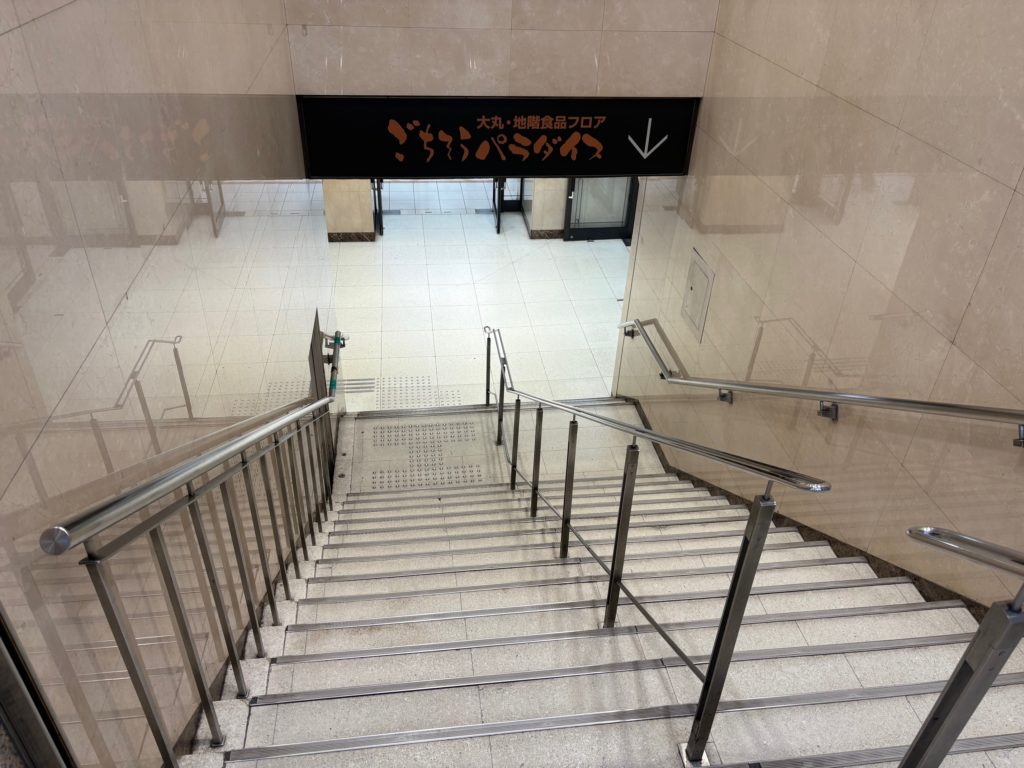
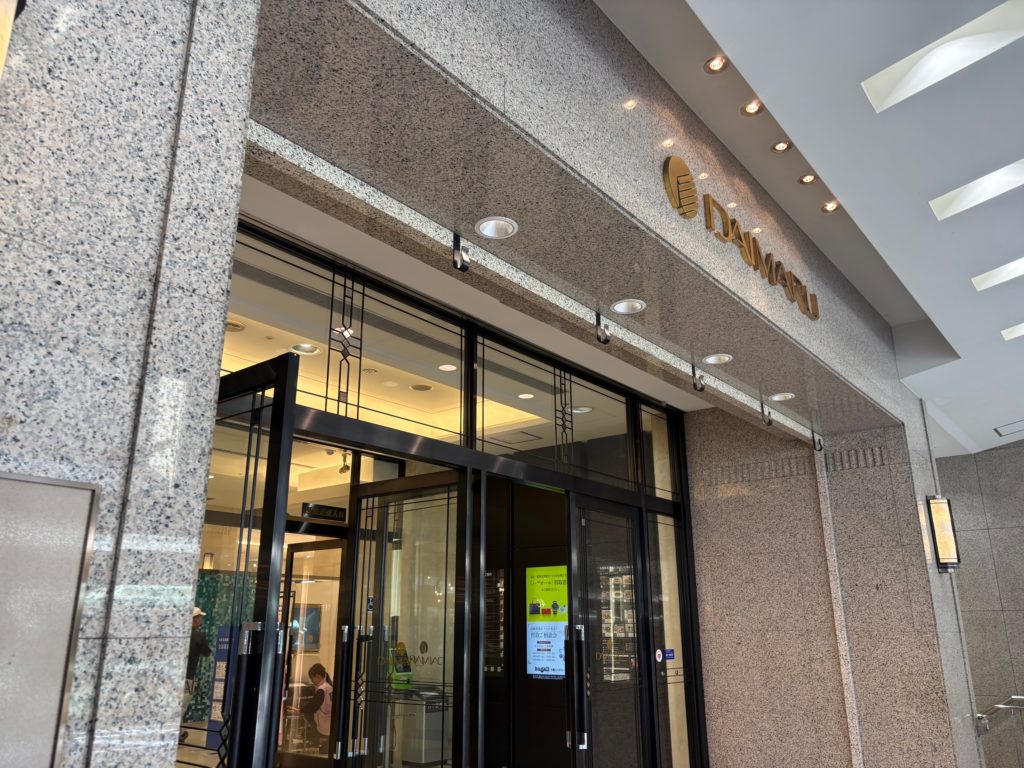
If you are visiting Japan, prepare to be amazed by the ultimate Japanese food hall experience.
Hidden beneath every major department store is the Depachika (デパ地下), an unparalleled luxury food market and gourmet destination. It’s far more than a simple grocery store—it’s the beating heart of high-end Japanese food culture.
We’ll guide you through the profound and often hidden world of the Depachika.
1. 💡 What is Depachika?
Understanding Japan’s Department Store Basement
The word “Depachika” is a portmanteau, a combination of two Japanese words:
- Depāto (デパート): Short for “Department Store”
- Chika (地下): Meaning “Basement” or “Underground”
The Depachika is the sprawling, luxurious food floor found in the basement levels of Japanese department stores.
This area serves a critical dual role: it’s the destination for gourmet daily meals and the definitive source for high-end gifts (Omiyage).
This fusion of daily needs and luxury gifting is what makes the Depachika a uniquely Japanese cultural phenomenon.
2. 🆚 Depachika vs. Supermarket: The Luxury Food Market Difference
The Depachika differs fundamentally from your local supermarket
Understanding this distinction is key to appreciating this luxury food market.
| Feature | Depachika (Department Store Basement) | Supermarket |
| Core Purpose | Supporting “Special Experience” & “Gift Culture” | Focused on “Daily Necessities” & “Convenience” |
| Pricing Basis | Value-based on “Quality & Trust” | Cost-based on “Expense & Efficiency” |
| Sales Format | Face-to-Face Sales & Separate Checkouts per brand | Self-Service & Centralized Checkout |
| Product Lineup | “Curated Top-Tier Goods” (Limited-edition sweets, artisan Sōzai) | “Standard Mass-Market Goods” (Wide range of necessary items) |
🔍 The Critical Difference: Specialized Checkouts
In a typical supermarket, you pay once at a central register.
However, the Depachika food hall operates differently: it is a collection of hundreds of independent specialty shops—a historical confectionery shop, a famous deli, a high-end fruit vendor.
This means you must pay separately at each brand’s counter. This “multi-stop checkout” process highlights that you are not shopping in one large store; you are visiting a street of professional artisans and specialty brands, with each transaction reinforcing the unique expertise of that vendor.
3. 💰 The Price Tag: A Guarantee of Excellence and Omiyage Value
The higher prices in this gourmet food hall reflect more than just the ingredients; they reflect a deep commitment to quality, presentation, and service.
1. The Craftsmanship and Gifting Culture
Products in the Depachika are often intended for Japan’s unique gift-giving culture (Omiyage, Ochūgen, Oseibo).
Perfection in appearance, flavor, and packaging is non-negotiable.
The price assures a guarantee of quality and reliability, making the product a fitting symbol of respect.
2. A Highly Curated Showcase
Department stores rigorously vet brands before allowing them space.
Walking through the Depachika is touring an exhibition featuring only the top culinary producers in Japan.
This curated selection is why you can find limited-edition items and specialties that you simply won’t see in a regular supermarket.
4. 🍽️ The Evolving Culture of Shishoku (Food Samples)
The lively culture of Shishoku—free food samples—was once a hallmark of the Depachika.
The frequency of sampling has visibly decreased, driven by stricter hygiene standards and operational costs.
🚨 Hygiene and the Shift to Individual Service
The days of freely grabbing samples with shared tongs are mostly gone.
When samples are offered, they are typically a special service, carefully handed to you by a glove-wearing attendant.
This reflects Japan’s heightened consciousness regarding food safety.
📢 Shishoku as a Special Promotion
If you are offered a sample, take the opportunity! It’s a sign that the brand has absolute confidence in the product and is willing to invest the time to let you taste their best. The sampling tradition is not dead, but it has evolved into a more curated, specialized offering.
✅ Pro-Tips for Maximizing Your Depachika Adventure
- The “Gourmet Lunch Box” Strategy: Skip the expensive upstairs restaurants. Buy a high-quality Bentō or several Sōzai (deli sides) from different counters and enjoy a gourmet meal outside.
- The Closing Time Bargain: Watch for discounts (Waribiki) just before the store closes. It’s the best time to snag a luxury treat on a budget.
- Appreciate the Fruit: Even if you don’t buy, marvel at the perfection of the seasonal fruits. Their immaculate presentation showcases the extreme dedication to quality in Japanese agriculture.
The Depachika is where Japan’s passion for food, its aesthetic sense, and its culture of hospitality are concentrated.
Don’t just rush through this Japanese food hall—take your time and embark on a true culinary adventure!
You Might Also Like
・Ochugen: Japan’s Summer Gift of Gratitude
・Sending Sunshine and Care: Understanding Japan’s Shochumimai Summer Greetings
| 【PR】 Your trip planning is almost complete! Complete your preparation by securing the one guide that guarantees confident interactions and a truly respectful experience in Japan. [Get the Kindle Edition Now on Amazon] |