
| 【PR】 Making a trip to Japan? Don’t risk a cultural mistake! Your comprehensive guide to Japanese etiquette and greetings is essential for every traveler. [Get the Kindle Edition Now on Amazon] |
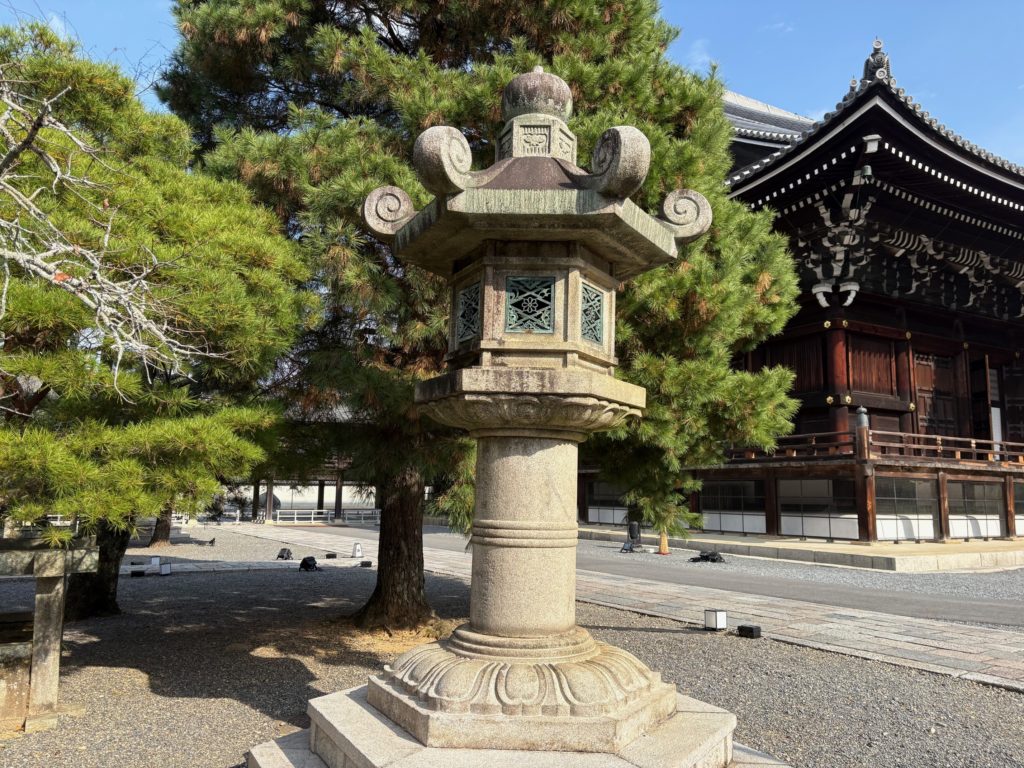
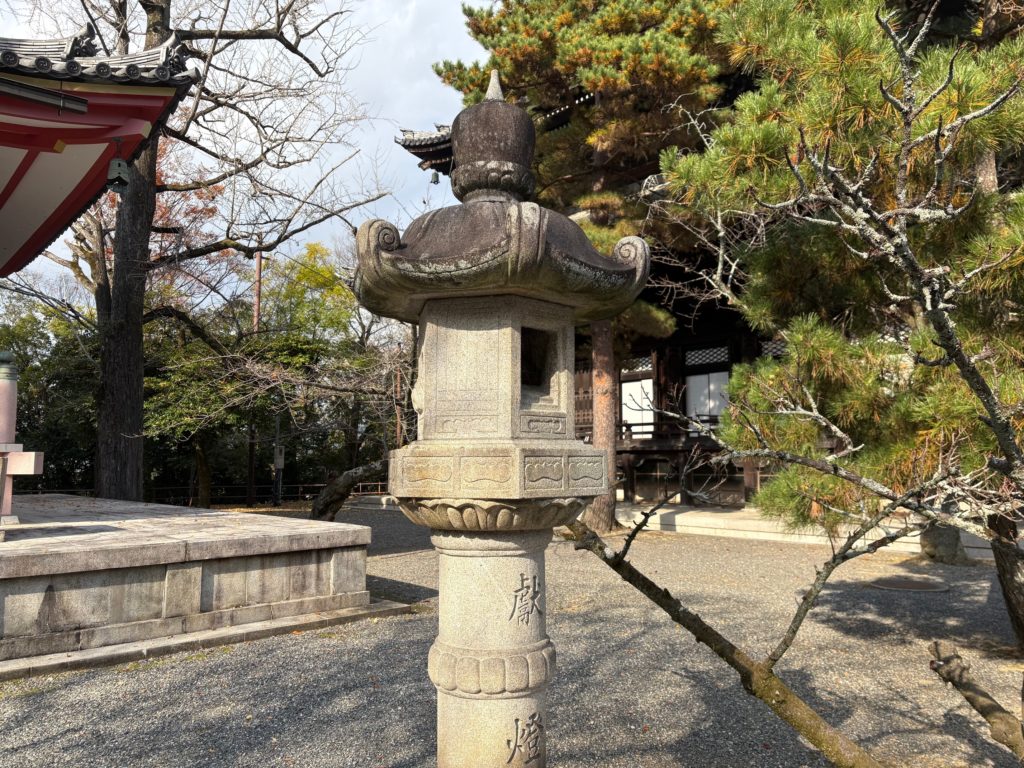
Introduction: The Stone Lantern is Not Just a Light Source
Have you ever encountered this heavy, sculpted stone object during your travels to Japan’s temples, shrines, or traditional gardens?
The Ishi-dōrō (石灯篭), or stone lantern, is far more than a simple tool to illuminate pathways. It is a profound cultural symbol that embodies the Japanese aesthetic concept of Wabi-Sabi*1, lending a serene “Omomuki” (趣, atmosphere) and deep historical context to the landscapes it inhabits.
In this article, we will thoroughly explore the meaning of the stone lantern, its diverse types, and its essential role in both historical and contemporary Japanese settings.
1. ⛩️ History: The Light of Buddha, Spread by the Tea Ceremony
The stone lantern was introduced to Japan from the Asian continent, primarily accompanying the arrival of Buddhism.
- Nara to Heian Periods: The lantern’s initial role was “Kentō (献灯)”, or a ritual offering of light to the gods and Buddha.
They served as symbols of authority and were placed in front of main temple and shrine buildings. The fireboxes were lit using oil lamps or candles. - Azuchi-Momoyama Period (Rise of Tea Ceremony): Tea masters, such as Sen no Rikyū, began incorporating stone lanterns into “Roji (露地, tea gardens)” as essential scenic features.
This marked a shift, establishing the lantern’s status not only as a religious object but also as a decorative fixture vital for garden composition.
Diverse styles like Yukimi-dōrō (Snow-viewing Lantern) and Oribe-dōrō were developed.
【The Basic Structure: The Six Parts of a Lantern】
A stone lantern is fundamentally composed of six main parts, from the base up.
The light source (candles or oil lamps) is placed in the central box-like section, the “Hibukuro (火袋)”.
- Hōju (宝珠): The topmost jewel or ball ornament.
- Kasa (笠): The roof, designed to protect the light from rain.
- Hibukuro (火袋): The fire box where the light is placed.
- Chūdai (中台): The platform supporting the fire box.
- Sao (竿): The column or pillar.
- Kidan / Kiso (基壇/基礎): The base or foundation.
2. 🌳 Types and Sizes: Form Dictated by Function
The size and shape of a stone lantern have evolved to suit its setting and purpose. The differences in size carry clear intentions.
| Type | Characteristics and Meaning of Size | Typical Installation Location |
| Kasuga-dōrō (Standing Lantern) | A standard, tall type with a long column. Large in size, intended to project light over a wide area and symbolize respect or authority towards the gods/Buddha. | In front of shrines, or temple main halls. |
| Yukimi-dōrō (Snow-viewing Lantern) | A low type with a large roof and typically 3–4 legs. Primarily intended to illuminate the water’s surface, its low design intentionally minimizes obstruction of the scenery. | By the water’s edge, or near verandas. |
| Oribe-dōrō | An embedded type where the column is partially buried in the ground. Used in tea gardens to subtly illuminate the ground and create an atmosphere of refined simplicity. | Tea ceremony paths (roji), narrow gardens. |
| Ikegomi-dōrō (Embedded Base) | The smallest type, with a short column and small base. Provides simple, modest light in limited spaces, adding depth to the garden. | Tsubo-niwa (courtyard gardens), near the entrance. |
POINT: Larger sizes signify authority and wide illumination, while smaller sizes denote harmony with the scenery and refined simplicity.
3. 🏡 Modern Role: Garden Wabi-Sabi and LED Light
Stone lanterns remain highly popular today and are widely cherished in private residential gardens.
- Enhancing Traditional Aesthetics: Placing a lantern immediately imparts a calm atmosphere and a sense of tradition to a garden.
The texture of the moss-covered stone symbolizes Wabi-Sabi, offering a sense of peace and tranquility to the viewer. - Visual Guidance and Accent: They act as accents among the planting and rock arrangements, creating a focal point.
When placed in the background, they can guide the eye, giving the entire garden a sense of depth and spaciousness. - Modernizing Practical Illumination: Instead of traditional fire, it is now common practice to install wired LED lights inside the Hibukuro.
This safely illuminates the night garden with a unique, gentle light that modern fixtures cannot replicate.
✨ Conclusion: The Stone Lantern is the “Art of Time and Light”
From their origins as Buddhist offerings to their refinement in the tea ceremony, and now bringing tranquility to modern gardens, stone lanterns are truly an “Art of Time and Light.”
The next time you visit a temple, shrine, or Japanese garden, we encourage you to pause and consider “Why is this lantern placed here?” and “What shape is it?” You may discover a new depth to the Japanese sense of beauty.
*1 🇯🇵 What is “Wabi-Sabi (侘び寂び)”?
While often intuitively understood by Japanese people, Wabi-Sabi is a difficult concept to articulate.
Within the context of stone lanterns and gardens, this aesthetic refers primarily to the following:
- Wabi (侘び):
- The beauty of simplicity and austerity. It refers to the quiet, rich state of mind found in minimalism and imperfection, rather than extravagance.
- In the context of the lantern, the humble form, lack of ornamentation, and the use of the stone’s natural texture evoke the feeling of Wabi.
- Sabi (寂び):
- The beauty imparted by the passage of time. This is the serene, subtle beauty found in things that are old, worn, or weathered after long use or exposure to the elements.
- In the context of the lantern, the moss growing on the surface and the worn texture of the stone express the long history and the feeling of Sabi.
In short, Wabi-Sabi is a uniquely Japanese aesthetic that embraces imperfection and age, finding quiet, profound beauty within them, and the stone lantern is a perfect expression of this philosophy.
| 【PR】 Your trip planning is almost complete! Complete your preparation by securing the one guide that guarantees confident interactions and a truly respectful experience in Japan. [Download the Essential Etiquette Guide] |