
| 【PR】 Making a trip to Japan? Don’t risk a cultural mistake! Your comprehensive guide to Japanese etiquette and greetings is essential for every traveler. [Get the Kindle Edition Now on Amazon] |
The Maternity Mark (マタニティマーク, Maternity Mark) is a symbol worn by expectant mothers (pregnant women and those who have recently given birth) to inform people around them of their condition, making it easier for them to receive necessary consideration and assistance.
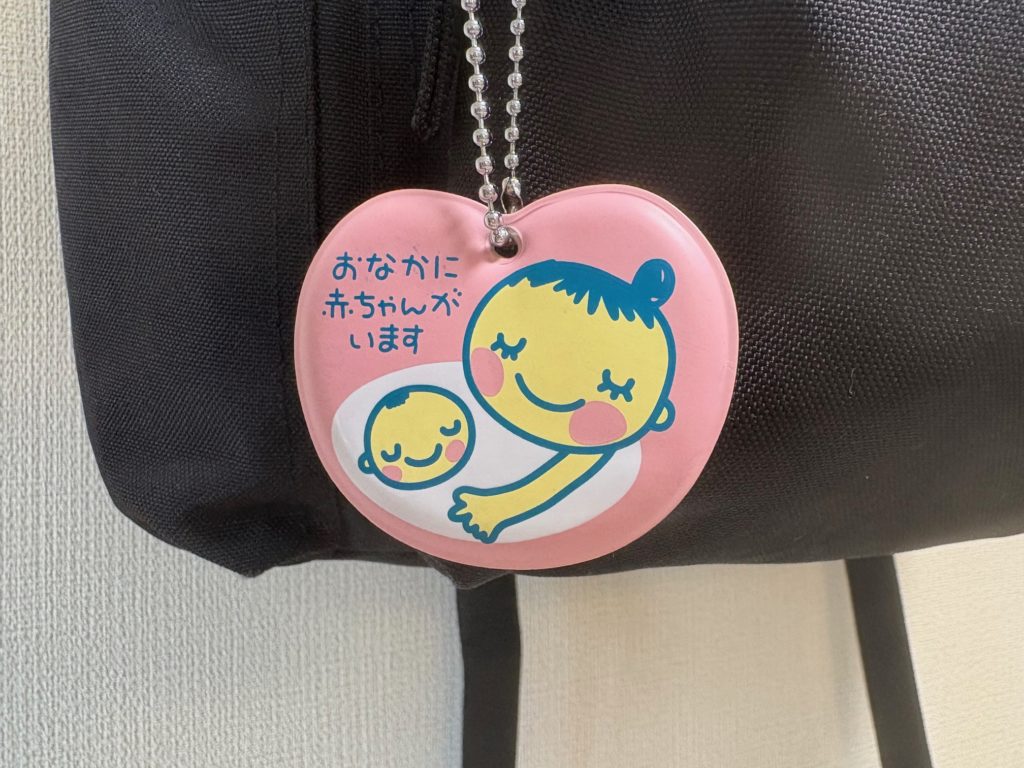
Japan’s Maternity Mark Explained: Safety, Culture, and Travel Tips
The Maternity Mark (マタニティマーク, Maternity Mark) is a symbol worn by expectant mothers (pregnant women and those who have recently given birth) to inform people around them of their condition, making it easier for them to receive necessary consideration and assistance.
Purpose and Roles
- Promote Awareness and Consideration:
- Especially during the early stages of pregnancy, when a woman’s condition may not be visibly apparent, the mark encourages others to offer consideration, such as giving up seats on public transport or preventing exposure to secondhand smoke.
- By displaying the mark, it encourages people to voluntarily be more mindful and supportive.
- Emergency Information:
- In the event of sudden illness, an accident, or a disaster, the mark quickly informs rescuers and others that the person is pregnant, facilitating swift and appropriate treatment (e.g., considering the pregnancy during medical procedures).
- It is recommended that the mark always be carried together with the Maternal and Child Health Handbook (Boshi Kenko Techo).
- Advocacy for a Pregnancy-Friendly Environment:
- Public transportation, workplaces, restaurants, and other public institutions use the mark on posters and advertisements to promote and demonstrate their support for creating a “pregnancy-friendly environment.”
📅 Introduction and Background
- 2006 (Heisei 18): The design for the Maternity Mark was publicly solicited and decided upon by the “Healthy Parents and Children 21” Promotion Review Committee (part of a national health movement).
- The Ministry of Health, Labour and Welfare (MHLW) of Japan promoted its widespread use across the country.
📍 How to Obtain the Mark (Where to Get It)
The Maternity Mark is primarily distributed free of charge in the following locations (some specially designed versions may be available for purchase). Not only pregnant individuals but also their family members may be eligible to receive the mark.
- Local Government Offices (City/Ward Offices):
- It is most commonly received when submitting a pregnancy notification and being issued the Maternal and Child Health Handbook (Boshi Kenko Techo).
- Public Transportation (Railway and Bus Companies):
- Many companies distribute the mark for free at station offices or customer service centers (advance confirmation is advised, as not all stations/companies may provide them).
- Baby Supply Stores:
- It may be offered as a gift or benefit upon registration or application for “pre-mama” (expectant mother) starter kits.
- Other Sources:
- It can sometimes be found as a free gift in women’s magazines focused on pregnancy, or provided at some hospitals and obstetrics/gynecology clinics during initial checkups.
💡 Usage Tips
- When to Start Wearing It:
- There is no strict rule, but it is highly recommended to start wearing it in the early stages of pregnancy when morning sickness and physical discomfort are common but the pregnancy is not yet externally obvious.
- Design:
- The basic design set by the MHLW (a heart with wing-like shapes) is the most widespread, but various other designs (e.g., rosette style, character collaborations) exist, provided by local governments and private organizations.
🌍 International Comparison
The Maternity Mark is a widely known symbol in Japan, but similar initiatives exist in other countries.
- Spread of the Japanese Design: The original design established in Japan has been customized and introduced in a few countries, such as the Republic of El Salvador and Mongolia, through the activities of Japanese non-profit organizations.
- Different Approaches Abroad: Many countries or regions do not have a unified national mark like Japan. Therefore, the mark’s purpose and meaning may not be immediately clear to international visitors. Conversely, some countries have their own locally introduced badges or stickers used on public transport to indicate pregnancy.
Note: While carrying the Maternity Mark is not mandatory, many expectant mothers utilize it for their own safety and comfort during pregnancy.
Lastly, if you see someone wearing this mark during your trip to Japan, please offer your seat to them.
| 【PR】 Your trip planning is almost complete! Complete your preparation by securing the one guide that guarantees confident interactions and a truly respectful experience in Japan. [Get the Kindle Edition Now on Amazon] |